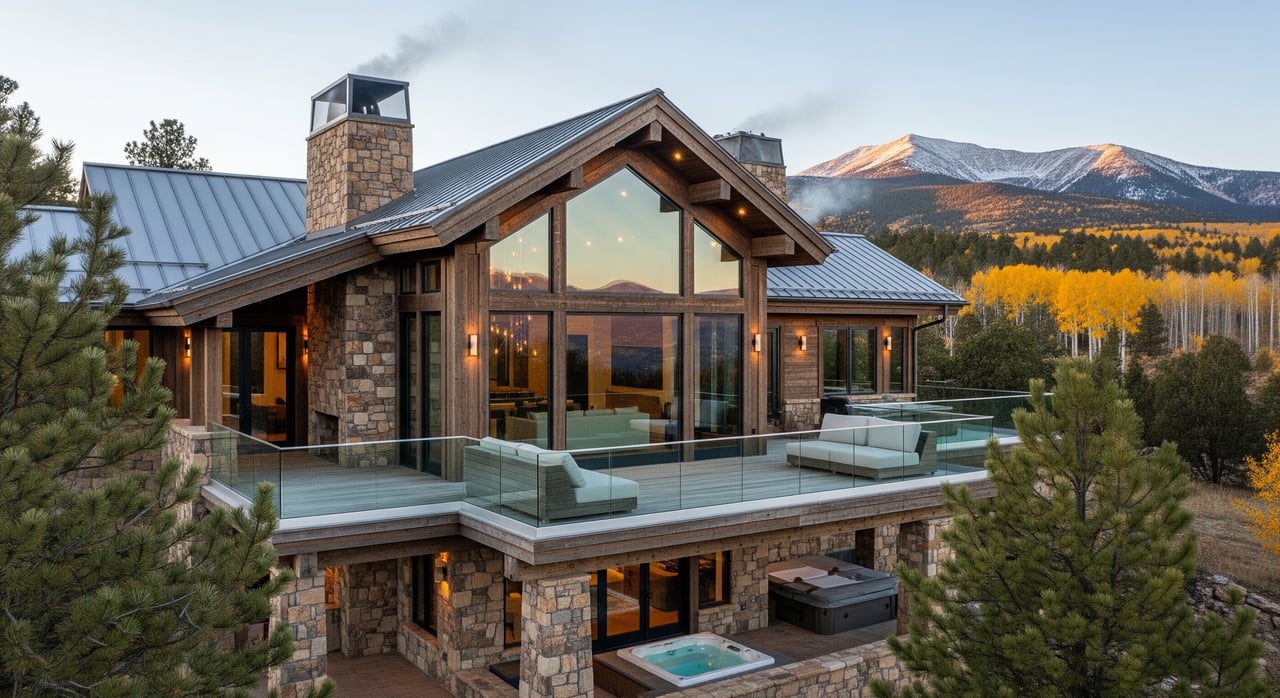
Thinking about buying a cabin or condo in Ruidoso and turning it into a vacation rental? You are not alone. With mountain views, year-round recreation, and a friendly village feel, Ruidoso draws steady traveler interest. The key is choosing the right location, amenities, and plan so your home rents well and stays easy to own.
This guide gives you a clear roadmap for buying and hosting in Ruidoso. You will learn where demand comes from, what features guests book, how to model income and expenses, and what rules and risks to check before you buy. You will also get a practical due diligence checklist you can use on any property. Let’s dive in.
Why Ruidoso attracts vacation renters
Ruidoso is a mountain resort village in Lincoln County, New Mexico, with roughly 8,000 residents. It sits high in the Sacramento Mountains and serves as a regional outdoor hub. Visitor demand comes from Ski Apache on Sierra Blanca, Ruidoso Downs Race Track & Casino, the Inn of the Mountain Gods golf and casino, the Ruidoso River and local trout fishing, trail networks for hiking and biking, and a walkable village of shops and restaurants.
Seasonality is pronounced. Winter ski periods often see short stays and strong weekend bookings. Summer brings families for hiking, fishing, weddings, and golf, with longer stays more common. Event weekends and holidays can spike demand at any time. Shoulder seasons are slower, though fall color and niche travelers such as anglers or remote workers can fill gaps.
Keep access in mind. Ruidoso is rural, and the nearest major commercial air service is in Albuquerque. Winter weather can affect roads, so plan for snow removal and guest guidance on driving conditions.
Location tradeoffs that shape revenue
The right location can increase your average daily rate and occupancy. Think through these tradeoffs as you shop.
Ski access
Proximity to Ski Apache can be a meaningful premium in winter. Homes with convenient routes to the lifts or shuttle points tend to capture higher rates during peak ski periods.
Village walkability
Being close to downtown shops and restaurants boosts appeal for short stays. Walkable locations often see stronger weekend demand and easier midweek bookings in summer.
River and trail access
Homes near the Ruidoso River, trailheads, or scenic overlooks attract warm‑weather guests. Riverfront and view properties can stand out in listing photos and command higher rates.
Golf and resort proximity
Proximity to the Inn of the Mountain Gods golf and resort matters for summer travelers, tournaments, and event guests. If you plan to target golfers and wedding parties, factor this in.
Access, parking, and winter operations
Steep mountain roads, limited parking, and tight driveways can reduce appeal. Check parking rules, guest vehicle limits, and confirm you can arrange reliable snow plowing.
Views and privacy vs. convenience
Private or more remote settings are attractive for some guests but may bring higher winter access and maintenance costs. Balance scenery with practicality for year‑round use.
Property types to consider
Different property types fit different budgets and hosting styles. Know the tradeoffs before you commit.
- Cabins and single‑family homes: Often earn higher nightly rates and suit families or groups. They also bring more maintenance, larger systems to service, and higher insurance considerations.
- Condos and townhomes: Usually a lower entry price with shared amenities like pools or exterior maintenance. HOAs are common and may have specific rental rules that you must follow.
- Multi‑unit properties: Can diversify nights and income streams but require more active management and more upfront capital.
Amenities guests book fast
The right features help you stand out in a resort market. Prioritize the items travelers expect in a mountain stay.
- Reliable high‑speed Wi‑Fi for remote work
- Private hot tub or access to a hot tub
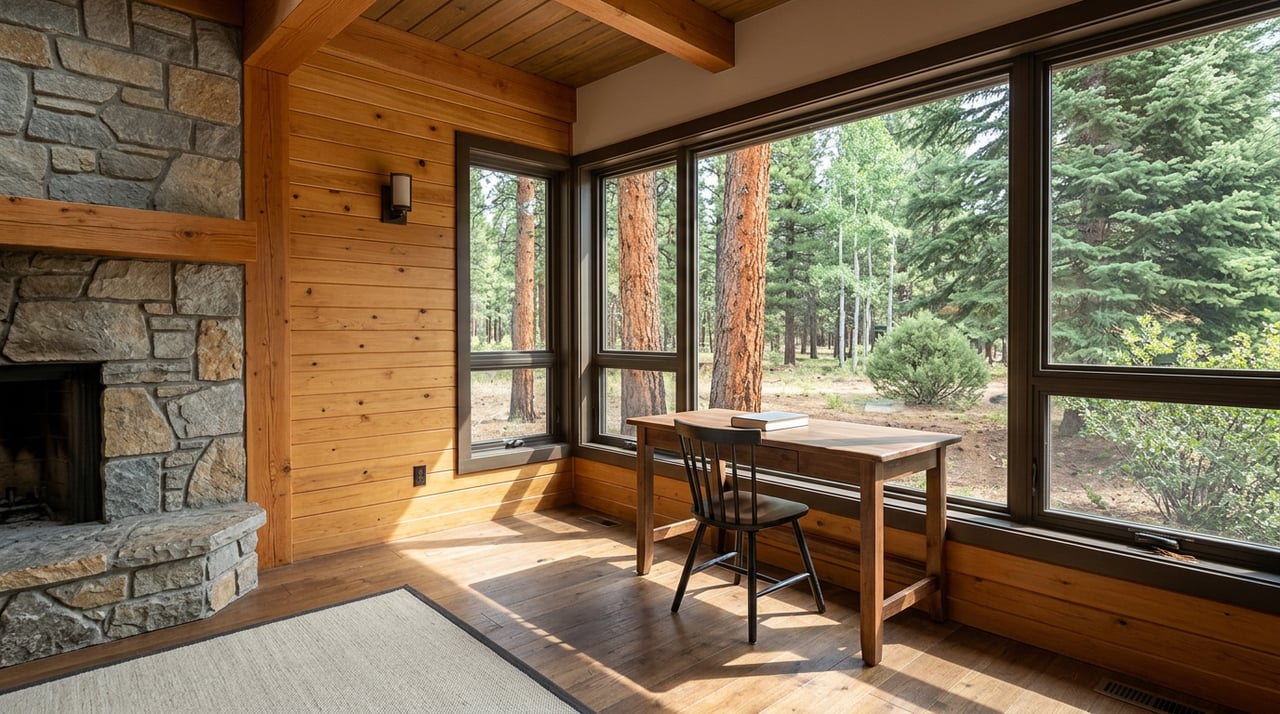
- Fireplace or wood stove, with clear operating instructions
- Well‑equipped kitchen with full cookware and utensils
- In‑unit washer and dryer
- Pet‑friendly setup with clear house rules
- Ample off‑street parking and snow‑cleared access in winter
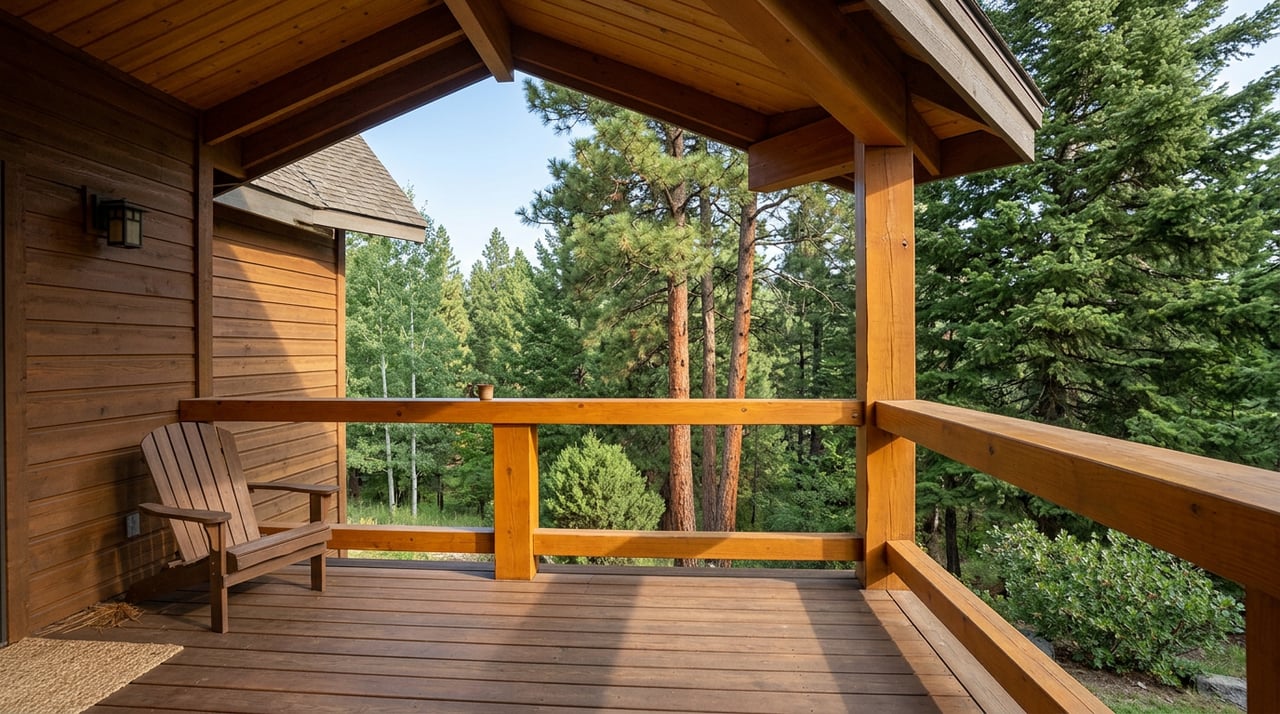
- Outdoor living, such as a deck, grill, and fire pit where allowed
- Entertainment options, like a smart TV, streaming, and games
- Clear signage, good lighting, and secure key exchange through a lockbox or smart lock
Model income and expenses with a simple plan
Before you bid on a property, build a basic forecast that you can stress‑test. Start with realistic revenue, then layer in all operating costs.
Key revenue metrics
- Average Daily Rate (ADR): Your average nightly price.
- Occupancy rate: The share of nights booked.
- Gross rental income: ADR multiplied by the number of occupied nights.
- Revenue per available rental (RevPAR): ADR multiplied by occupancy rate, helpful for comparing different homes or unit sizes.
For a specific listing, request a 12‑month booking history and clean it for one‑off events. If the home has not been rented, use market comparables from short‑term rental data services or local property manager reports.
Expense categories to budget
- Mortgage principal and interest, sized for either a second‑home loan or an investment‑property loan
- Property management fees, often charged as a percent of rental revenue or a flat fee
- Utilities including electricity, gas, water, trash, and Internet
- Cleaning and laundry, typically paid per stay and often passed to the guest
- HOA dues and any special assessments for condos or townhomes
- Property taxes and local assessments
- Insurance for property and liability, with coverage suitable for short‑term rentals
- Repairs and maintenance, plus winterization and snow removal
- Advertising, OTA commissions, and payment processing fees
- Transient lodging taxes and gross receipts tax, with regular filing and remittance
- Reserve for capital items such as roofs, HVAC, hot tubs, and appliances
A quick decision framework
- Estimate gross revenue using ADR multiplied by projected occupied nights.
- Subtract a full set of operating expenses to get your net operating income.
- Compare net operating income to purchase price to see your cap rate.
- Subtract annual debt service to estimate cash‑on‑cash return on your invested cash.
- Stress‑test for lower shoulder‑season occupancy and higher insurance or maintenance costs.
Financing and lender expectations
Lenders vary in how they treat projected rental income. Many will not count future short‑term rental income for qualification without documented history. Debt‑service coverage ratio loans and investor mortgages follow different underwriting than second‑home loans. Speak with a lender who understands mountain markets and short‑term rentals so you can structure the right loan for your plan.
Rules, taxes, insurance, and safety
Short‑term rental rules and tax obligations are real parts of the decision. Confirm them early so your numbers hold up.
- Local rules: Verify whether the Village of Ruidoso or Lincoln County requires a rental registration, permit, occupancy limits, quiet hours, or a local contact. Regulations can change, so check the current code before you buy.
- Taxes: In New Mexico, owners must collect and remit lodging taxes and gross receipts tax where applicable. Filing requirements and rates vary by jurisdiction. Confirm your setup with the New Mexico Taxation and Revenue Department and local authorities.
- HOA covenants: HOAs may prohibit short‑term rentals, set minimum stays, require guest registration, limit parking, or require additional insurance. Review CC&Rs, rental rules, minutes, financials, and any pending special assessments.
- Insurance: Standard homeowner policies often do not cover short‑term rental activity. Work with a broker on STR‑specific endorsements or policies, confirm liability limits, and ensure coverage for amenities such as hot tubs or wood stoves. Consider an umbrella policy for higher guest capacity.
- Safety and building systems: Confirm smoke and carbon monoxide detectors, fire extinguishers, GFCI outlets in kitchens and baths, safe stairs and decks, and clear egress. Check sewer versus septic and any required septic maintenance. Understand water source and testing if on a well.
- Environmental and seasonal risks: Assess wildfire risk and defensible space. Confirm insurance availability and any mitigation requirements. Make sure the roof, plumbing, and heating are winter ready and that snow load ratings and snow removal plans match local conditions.
Due diligence questions to use today
Use these questions with sellers, HOAs, local government, and property managers to reduce surprises.
Seller and listing
- Can you provide 12 to 24 months of booking history with ADR, occupancy, and fees?
- Do you have P&L statements, past lodging tax filings, and proof of remittance?
- What furniture, appliances, linens, and service contracts convey with the sale?
- Any deferred maintenance, roof or HVAC age concerns, septic reports, or hot tub service history?
- Any guest complaints, noise issues, or neighbor disputes?
HOA
- Are short‑term rentals permitted, and are there caps or minimum stays?
- Is a local contact or on‑site manager required for STRs?
- What fines or enforcement practices apply for violations?
- Any current or upcoming special assessments, and are reserves adequate?
- What are the parking, trash, exterior maintenance, and snow removal rules?
Local government and permitting
- Do I need a short‑term rental permit, business license, or registration, and what is the process?
- What lodging and gross receipts tax rates apply, and how often do I file?
- Are there quiet hours, occupancy limits, or other rules I must include in house policies?
Property manager and operations
- What is your fee structure and what services are included, such as pricing, guest communication, and emergency response?
- Who pays for turnover cleaning, and how are cleanings scheduled during peak season?
- How do you screen guests and handle deposits or damage claims?
- Which local vendors support maintenance, HVAC, septic, snow, and hot tubs?
- How do you handle key exchange, lockouts, and after‑hours issues?
Insurance and safety
- Will the insurer cover STR activity, and what endorsements are required?
- Any history of claims on the property?
- Can you confirm working smoke and CO detectors and clear emergency procedures?
Operating choices and booking channels
Most owners mix booking channels to balance reach and cost. Online travel agencies like Airbnb, Vrbo, and Booking.com can deliver volume but add host and guest fees. Direct bookings reduce commissions but require marketing, a booking system, and guest support. Many owners work with a local property manager to handle distribution across channels, dynamic pricing, guest communication, and maintenance. Model the cost of each approach against your revenue goals and your available time.
Cleaning fees are typically charged to guests, but you still need to plan for quality control and logistics. Build in enough time between stays during peak weekends, and set clear standards for hot tub service, linens, and restocking.
Common pitfalls in Ruidoso
- Buying into an HOA that prohibits short‑term rentals or limits stays in ways that kill your model
- Underestimating winter access costs for plowing, sanding, and guest support
- Missing insurance exclusions for STR activity or for amenities like hot tubs or wood stoves
- Failing to register, collect, or remit required lodging and gross receipts taxes
- Overestimating occupancy by not accounting for slower shoulder seasons and midweek gaps
- Skipping septic inspections or not budgeting for hot tub repairs and water care
Your next step
If you want a place you will love and a rental plan that works, get local, property‑specific guidance. We help you compare micro‑locations, review HOA rules, request booking histories, and build a realistic budget with the right vendors and managers in mind. You get one accountable point of contact and clear advice from offer to closing.
Ready to explore Ruidoso cabins, condos, and vacation‑rental friendly homes with a plan that fits your goals? Schedule a confidential consultation with Annette L Wood.
FAQs
Is Ruidoso a good place to buy a vacation rental?
- Yes, it is a mountain resort village with demand from Ski Apache, Ruidoso Downs, the Inn of the Mountain Gods, river access, and summer trails that support year‑round bookings.
When are the busiest seasons for Ruidoso rentals?
- Peak demand typically occurs during winter ski periods and summer travel, with event weekends and holidays adding spikes and shoulder seasons running slower.
Do I need a permit or registration to operate a short‑term rental in Ruidoso?
- You should verify current requirements with the Village of Ruidoso and Lincoln County, since local rules, registrations, occupancy limits, and quiet hours can apply and can change.
Which features help a Ruidoso rental earn more?
- Reliable Wi‑Fi, a hot tub, fireplace, well‑equipped kitchen, in‑unit laundry, pet‑friendly setup, ample parking, outdoor space, and secure smart‑lock entry are guest favorites.
How do condos and townhomes handle short‑term rentals in Ruidoso?
- HOAs vary, so review CC&Rs and rental rules for minimum stays, guest registration, parking limits, special assessments, and any insurance requirements before you buy.
What taxes apply to New Mexico vacation rentals?
- Owners typically collect and remit lodging taxes and gross receipts tax as required, and filing rules depend on the property’s jurisdiction and New Mexico Taxation and Revenue guidance.