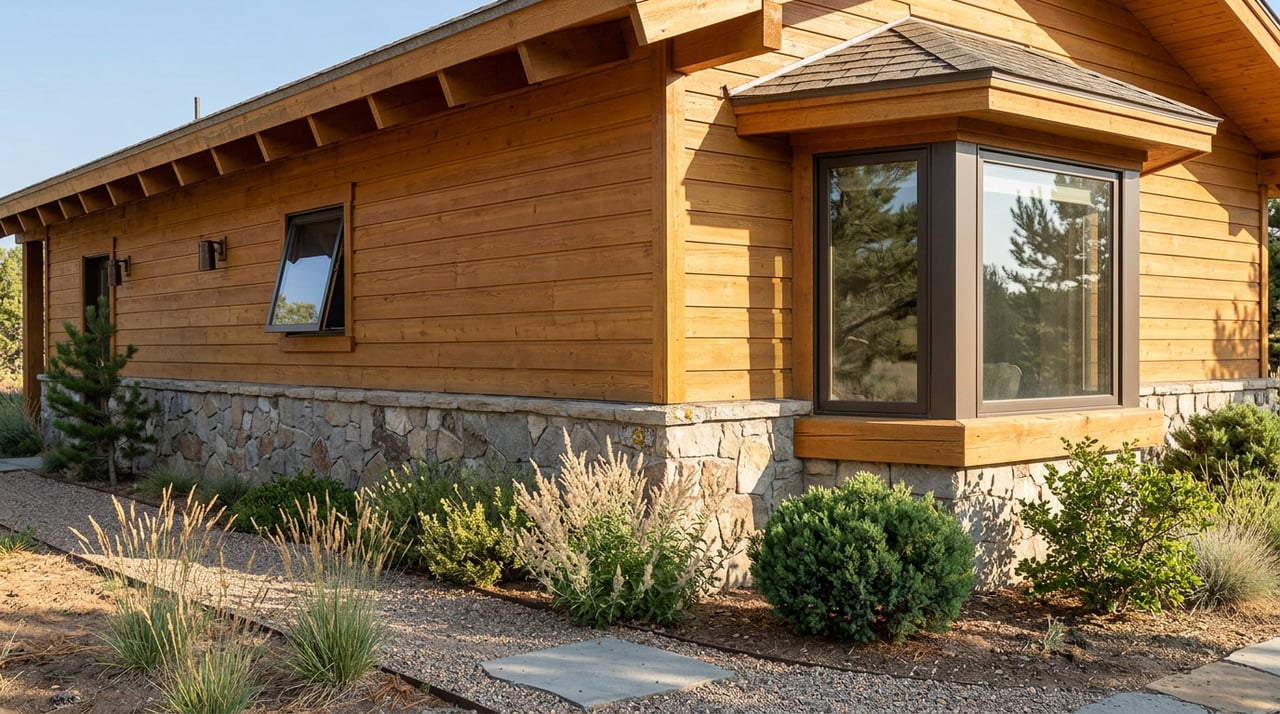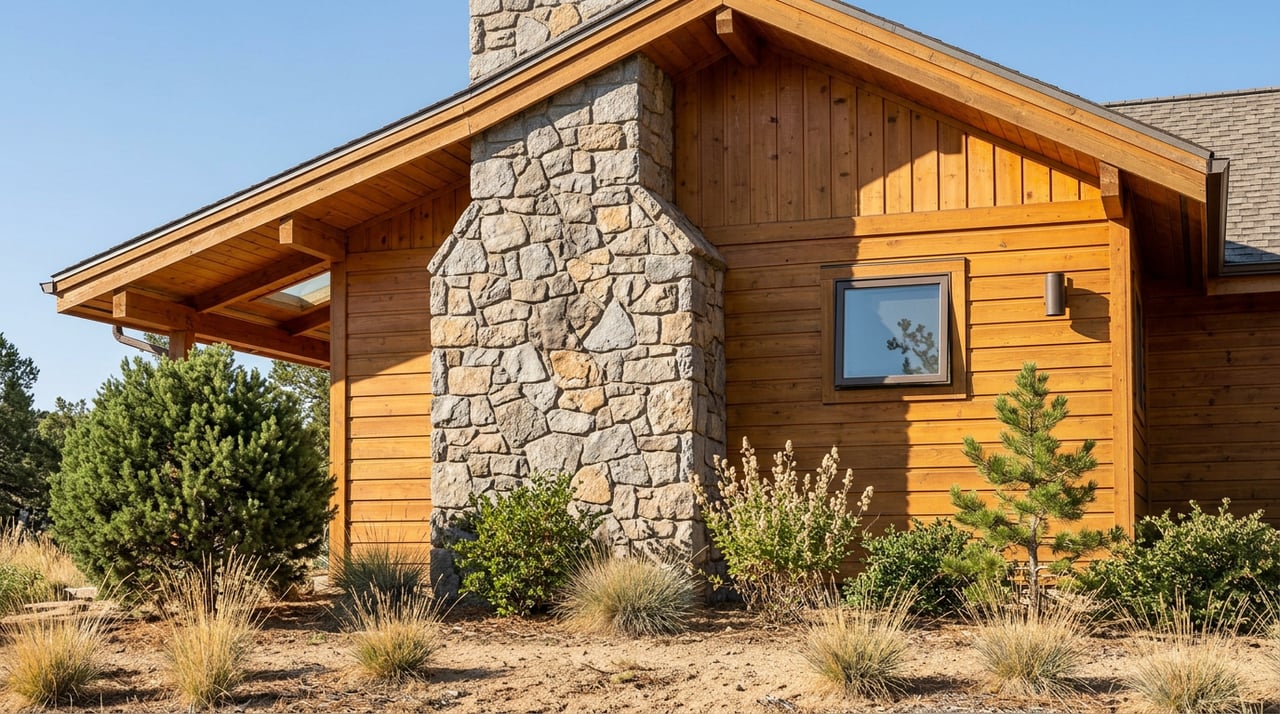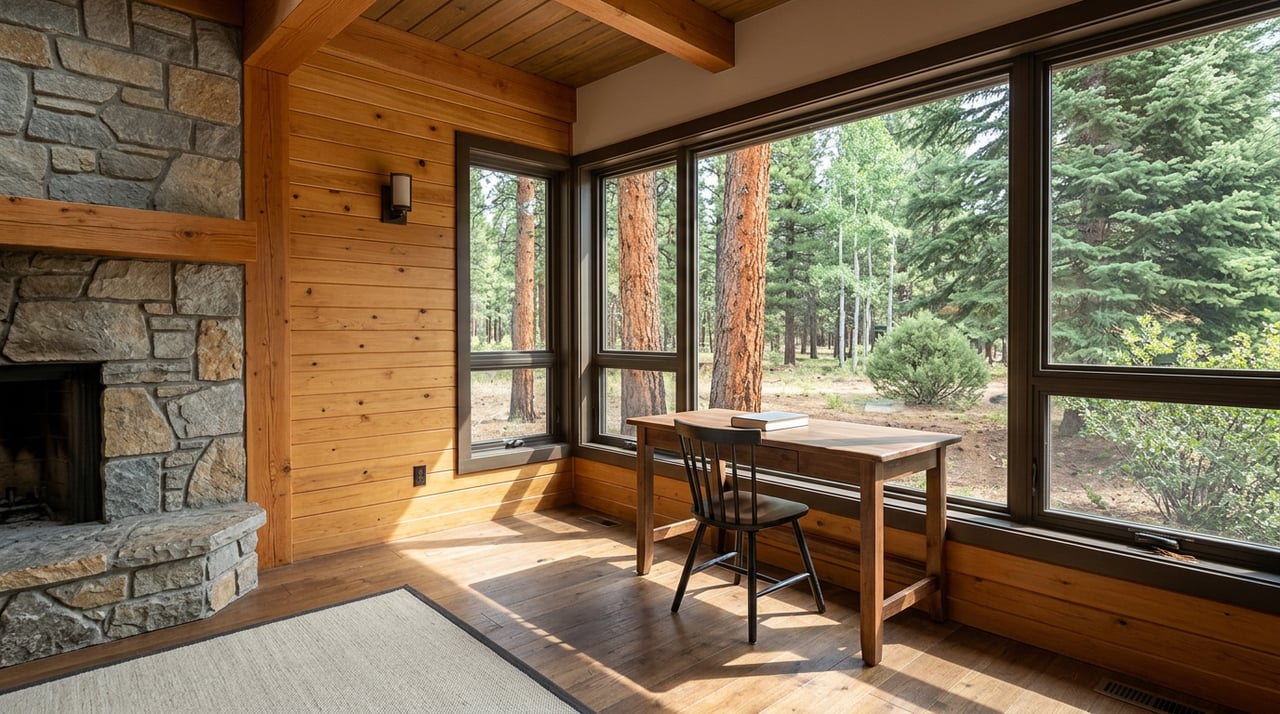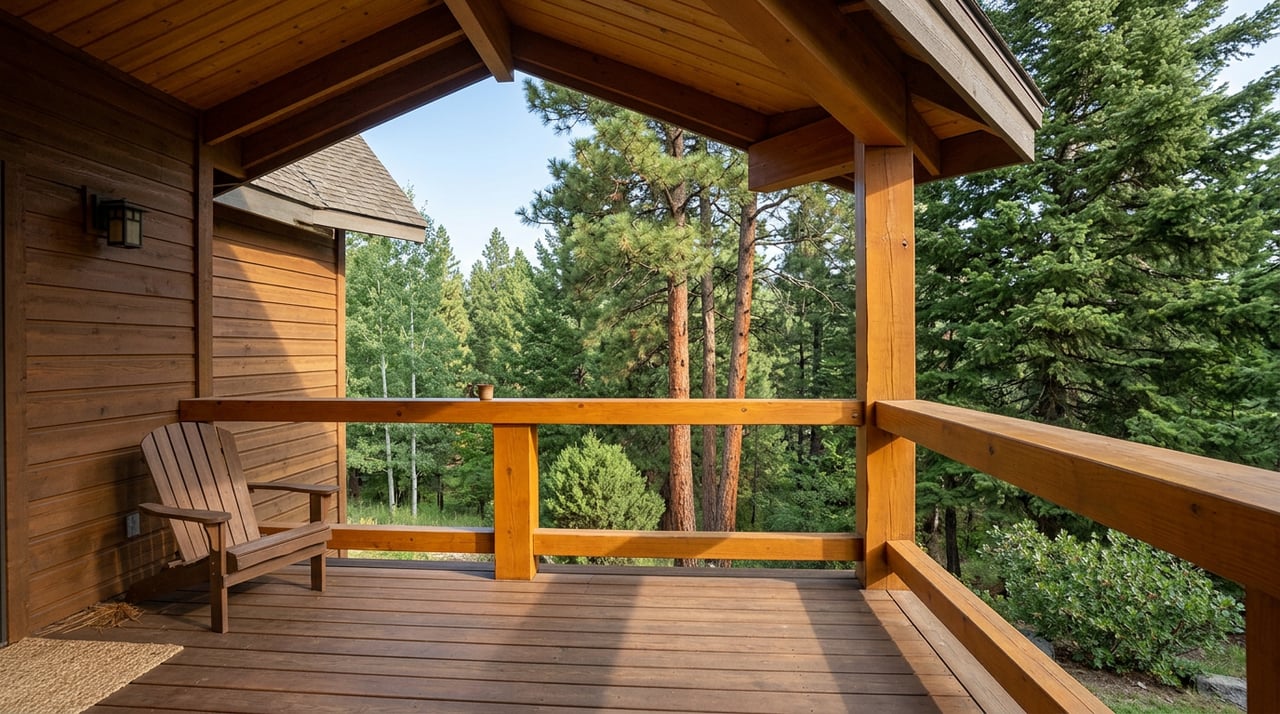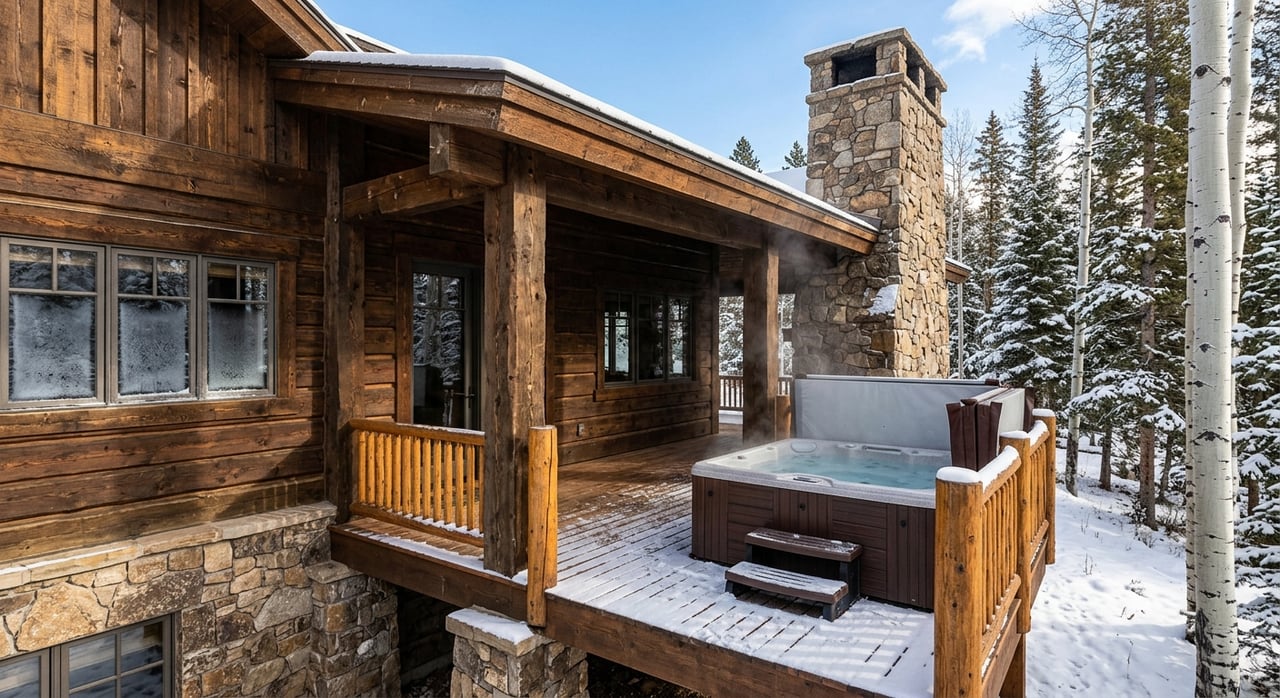
Wondering whether an Alto home can double as a mountain retreat and a short-term rental? You are not alone. Many buyers are drawn to Alto because it sits near the Ruidoso destination area, with year-round recreation that can support guest demand across more than one season. The key is choosing a home that fits the local rules as well as the travel patterns. Let’s dive in.
Why Alto draws STR buyers
Alto sits north of Ruidoso in a residential and recreational setting, which gives it appeal for buyers looking at second homes with income potential. It is part of a broader destination corridor rather than a purely local housing market. That matters because guest demand often follows nearby attractions, events, and outdoor access.
In this area, demand is not just about ski weekends. Official tourism sources point to winter skiing, summer racing, hiking, biking, and recurring seasonal events throughout the year. For you as a buyer, that creates a wider booking window than a market tied to only one season.
Alto demand is seasonal but broad
If you are shopping for rental appeal, think in terms of multiple travel seasons instead of one peak period. Winter travel is supported by Ski Apache and snow-season recreation in Lincoln National Forest. Summer draws visitors for warm-weather mountain activities and the Ruidoso Downs racing season.
Shoulder seasons matter too. Ruidoso's annual event calendar includes holiday programming, festivals, and winter ice skating that can help fill dates outside the core ski and summer months. That does not guarantee occupancy, but it does support the case for Alto as a year-round mountain market.
Start with jurisdiction first
Before you fall in love with a floor plan or a view, confirm which rules apply to the property. That is one of the most important early steps when you want short-term rental flexibility in Alto. Different parcels may fall under different local rule sets.
Alto Lakes has its own district rules, while nearby Ruidoso has a separate ordinance and permit system. In practical terms, the exact address matters. You want to know the governing jurisdiction before you assume the property can be used as a short-term rental.
Alto Lakes STR rules to know
If the home is in the Alto Lakes Special Zoning District, short-term rentals must be permitted. The district defines a short-term rental as a stay of one to 29 consecutive days. That definition affects how you plan your use, your guest policies, and your compliance steps.
The district also sets clear operating limits. Occupancy is capped at two adults per bedroom, with a maximum of 10 guests. It requires at least three off-street parking spaces, and no more than five vehicles are allowed.
Those rules make some property details much more important during your search. Bedroom count matters, but so do driveway layout, parking access, and how easily guests can use the property without crowding the site.
Look for homes that fit the rules easily
A home with short-term rental appeal is not always the one with the flashiest features. In Alto, the better fit may be the home that can operate smoothly within local standards. That means choosing a property where compliance feels natural, not forced.
As you evaluate homes, pay close attention to:
- Bedroom count and how it aligns with occupancy limits
- Off-street parking capacity
- Driveway layout and turnaround space
- Easy guest entry during snow or wet weather
- Indoor gathering areas that do not depend on outdoor fire features
- Storage for skis, bikes, and hiking gear
- Quick-cleanup flooring and mudroom-style entry areas
These practical features can make hosting easier in a mountain market where guests often arrive with outdoor equipment and changing weather conditions.
Outdoor features can be less important here
Many buyers picture a cabin rental with a fire pit and outdoor gathering area. In Alto Lakes, that can be a problem. The district prohibits fire pits, campfires, fire rings, fire tables, patio heaters, and charcoal barbecues.
That changes what makes a property appealing from an operating standpoint. A home with strong indoor living space, simple outdoor upkeep, and a layout that feels comfortable year-round may be easier to manage than one built around outdoor fire features.
Permit transfer is a major buyer question
If a seller tells you the property has been used as a short-term rental, that is helpful background, but it is not the same as inheriting the setup. In the Alto Lakes Special Zoning District, permits are issued to the owner. They are not transferable or refundable.
That means you should not assume an existing permit carries over after closing. If STR use is important to your plan, ask early about the property's status and what you would need to do after purchase. This is exactly where local guidance can save you time and surprises.
Compliance goes beyond the permit
In Alto Lakes, the permit process includes more than filing paperwork. The district requires a Compliance Certificate that is valid for one year, while the STR permit lasts two years. It also requires certified-mail notice to nearby owners within 200 feet.
There is also an operations component. The district requires a 24-hour local or emergency contact who can reach the property within one hour or less. That is an important point for remote buyers who plan to own from out of state.
Taxes matter before the first booking
If you plan to rent the home for fewer than 30 days at a time, state tax rules come into play. New Mexico defines a short-term rental as fewer than 30 days. The state says operators engaging in the business of short-term rentals are subject to gross receipts tax, and local lodgers' tax may also apply.
The New Mexico Business Portal states that gross receipts tax is due on or before the 25th day of the month following the reporting period. Because tax rules can be complex, the state advises business owners to seek tax-professional guidance. For you, that means tax setup should be part of your purchase planning, not an afterthought.
Plan for seasonality before you buy
A smart Alto purchase is not only about whether guests could book the home. It is about whether the home works well across the area's travel calendar. You want a property that makes sense during ski season, summer recreation, and event weekends.
Think about how guests will use the home in different months. In winter, access, parking, and weather communication matter. In warmer months, storage for bikes and hiking gear, easy cleanup, and flexible sleeping arrangements can support guest satisfaction.
Fire safety should shape your operating plan
In mountain communities, fire risk is part of real ownership planning. In 2026, the Village of Ruidoso posted Level II fire restrictions that prohibited campfires, charcoal grills, outdoor smoking, and fireworks. Lincoln National Forest also posted Stage 1 restrictions with campfire limits and closures.
Even if a specific Alto property sits outside one of those exact jurisdictions, the broader market context still matters. As a buyer, you should think about guest education, emergency communication, and insurance review as part of the STR decision.
A practical Alto buying checklist
When you tour homes with short-term rental use in mind, keep your questions simple and specific:
- Is the property inside the Alto Lakes Special Zoning District?
- What short-term rental rules apply to this parcel?
- Does the current owner have an STR permit?
- If so, what parts of that setup will not transfer after closing?
- Does the home meet parking expectations with at least three off-street spaces?
- How does the bedroom count affect occupancy limits?
- Is there space for ski, bike, and hiking gear?
- Does the layout support easy cleanup and year-round guest use?
- Are there any outdoor features that conflict with local fire-related restrictions?
- What state and local tax registrations may be needed before the first booking?
These questions can help you sort through listings faster and focus on homes that are a better fit for your goals.
Why local guidance matters in Alto
Buying for short-term rental appeal in Alto is not just about finding a pretty mountain cabin. It is about matching the home to the rules, the seasonality, and the realities of operating in a mountain destination market. The right property can feel obvious once you know what to look for.
That is where local, hands-on guidance matters most. If you want help comparing Alto properties, checking jurisdiction details, and narrowing in on homes that fit both your lifestyle and rental plans, Annette L Wood can help you move forward with clear, practical advice.
FAQs
What makes an Alto home appealing for short-term rentals?
- Alto can appeal to STR buyers because it sits near the Ruidoso destination area, with demand tied to winter skiing, summer recreation, racing season, and recurring events throughout the year.
What short-term rental rules apply in Alto Lakes?
- In the Alto Lakes Special Zoning District, STRs must be permitted, stays are defined as one to 29 consecutive days, occupancy is limited to two adults per bedroom with a maximum of 10 guests, and at least three off-street parking spaces are required.
Does an Alto Lakes STR permit transfer to a new owner?
- No. In the Alto Lakes Special Zoning District, STR permits are owner-based and are not transferable or refundable.
What taxes should Alto STR buyers plan for?
- New Mexico says short-term rental operators may be subject to gross receipts tax, and local lodgers' tax may also apply for rentals of fewer than 30 days.
What property features help an Alto rental operate smoothly?
- Look for strong parking, practical bedroom count, indoor gathering space, gear storage, easy-clean surfaces, and entry areas that work well for snow, mud, and outdoor recreation.
Why is jurisdiction important for an Alto short-term rental purchase?
- Alto-area properties may fall under different local rule sets, so you need to confirm the exact governing jurisdiction before assuming the permit path, operating rules, or compliance requirements.
How should fire restrictions affect an Alto STR buying decision?
- Fire restrictions make guest education, emergency communication, and low-risk outdoor features important parts of your ownership and operating plan in this mountain market.